


Sensory Architecture: Light as Hyper-Matter that Determines the Experience of Space
“Opening the ‘Masters of Lights’ column is an honor for me, marking the shared vision with LED Italy, a company capable of looking beyond the product to embrace the cultural evolution of light. The tour we have just concluded together, Deep Water Light, saw us exploring the “deep waters” of pool lighting, analyzing the technical and theoretical-scientific dialogue between light and water. Following the great interest generated by the unusual themes proposed, I begin this journey with a reflection that raises the curtain on a more substantial understanding of the fascinating element of light.”
— Patrizia Stella De Masi
Sensory Architecture: Light as Hyper-Matter that Determines the Experience of Space
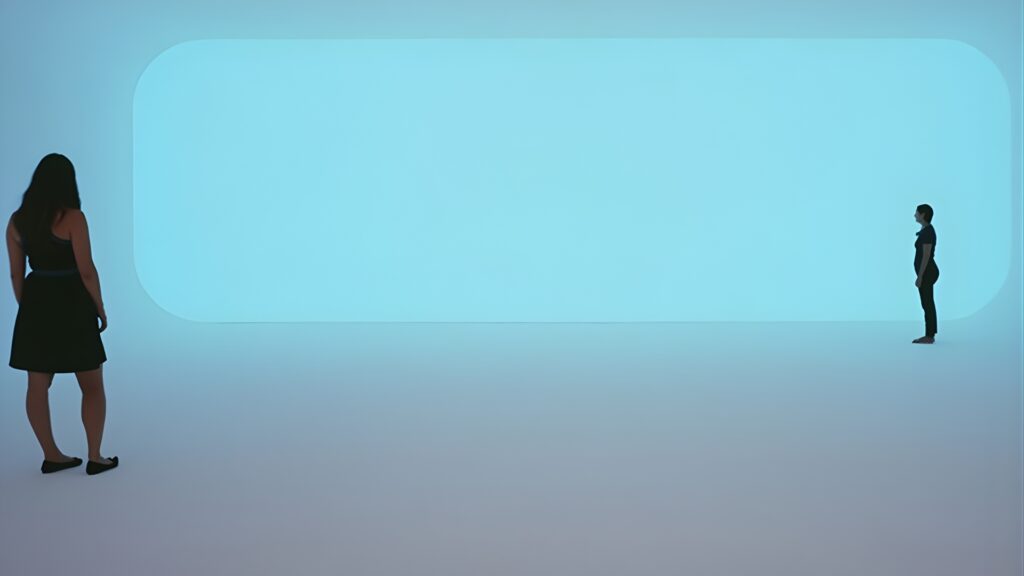
I invite you to abandon for a moment the idea of light as a commodity that appears with the simple press of a button and allows us to see, or as an aesthetic enhancer for our personal gratification, or as merely a design trend.
Let us begin instead with a different premise—yet not a new one. Light is electromagnetic radiation: this fact alone is enough to drastically change the narrative about what light is and how it should be precisely positioned within the context of our daily lives and our profession whenever we interact with this element.
Just like architecture—which I consider a hyper-method, that is, an applied awareness that understands the root of a rule and knows when and how to evolve it—light must be understood as hyper-matter. I refer in particular to sunlight, a primordial element more than 4 billion years old, which has shaped the rules of life on Earth, including our own. To fully understand this premise, we must dig down to the roots of our biology.
The Primordial Code: How Sunlight Engineered Human Biology and the Circadian Rhythm

Our relationship with our Mother Star is a bond that has literally engineered the biological structure of human beings and their rhythm regulated by the alternation of darkness and light, including all the nuances in between. This biological clock in turn governs the timing of our activation, the nature, and the consistency of our state of being—whether positive or negative.
The implicit dogma here is that sunlight represents today, and will continue to represent in the future, the most important biological regulator of life on Earth.
Ignoring this evidence in the management of light and artificial lighting means exposing ourselves—or irresponsibly creating—improvised scenarios without any coherent basis, following logics unrelated to well-being. But what is well-being? This question is usually followed by silence, because although we all perceive its presence or absence, defining it is not immediate. Yet even more important is understanding what generates well-being.
Emotional Intelligence Is Wiser Than Rational Intelligence
Sensory perception is our sophisticated apparatus for exploring and analyzing the environment in which we move. It is a remote intelligence that developed long before rational intelligence, and even today it remains the primary operational engine embedded in our limbic system, directly connected to the so-called “reptilian” system—the first in evolutionary order—which safeguards survival conditions.
We are talking about the two control rooms that determine our behavior in 99% of cases, bypassing rationality entirely. This concept is well known to international intelligence agencies, for example in the development of psy-op strategies.
Within this highly sophisticated operational center, the light signal stands at the top of the command chain because it has the power to trigger most cellular biochemical reactions.

Concepts such as beauty and harmony, discomfort and distress are not conceptual abstractions or random moods: they are the result of reactions generated by analyses based on consolidated codes that allow our brain to instantly understand whether an environment is safe, welcoming, extraordinary—or the opposite. In other words, we feel well when our command center confirms that the environment is safe.
This premise begins to reveal how artificial light—or electric light, according to recent regulatory classification—having appeared in the course of human evolution only a few cosmic microseconds ago, is by its very nature not coherent with the human operating system for several reasons. Let us explore some of them.
Electromagnetic Configuration: The Critical Issue of the Blue Component and Nakamura’s Lesson
The first aspect to consider is the distorted electromagnetic configuration of artificial light compared to solar radiation.
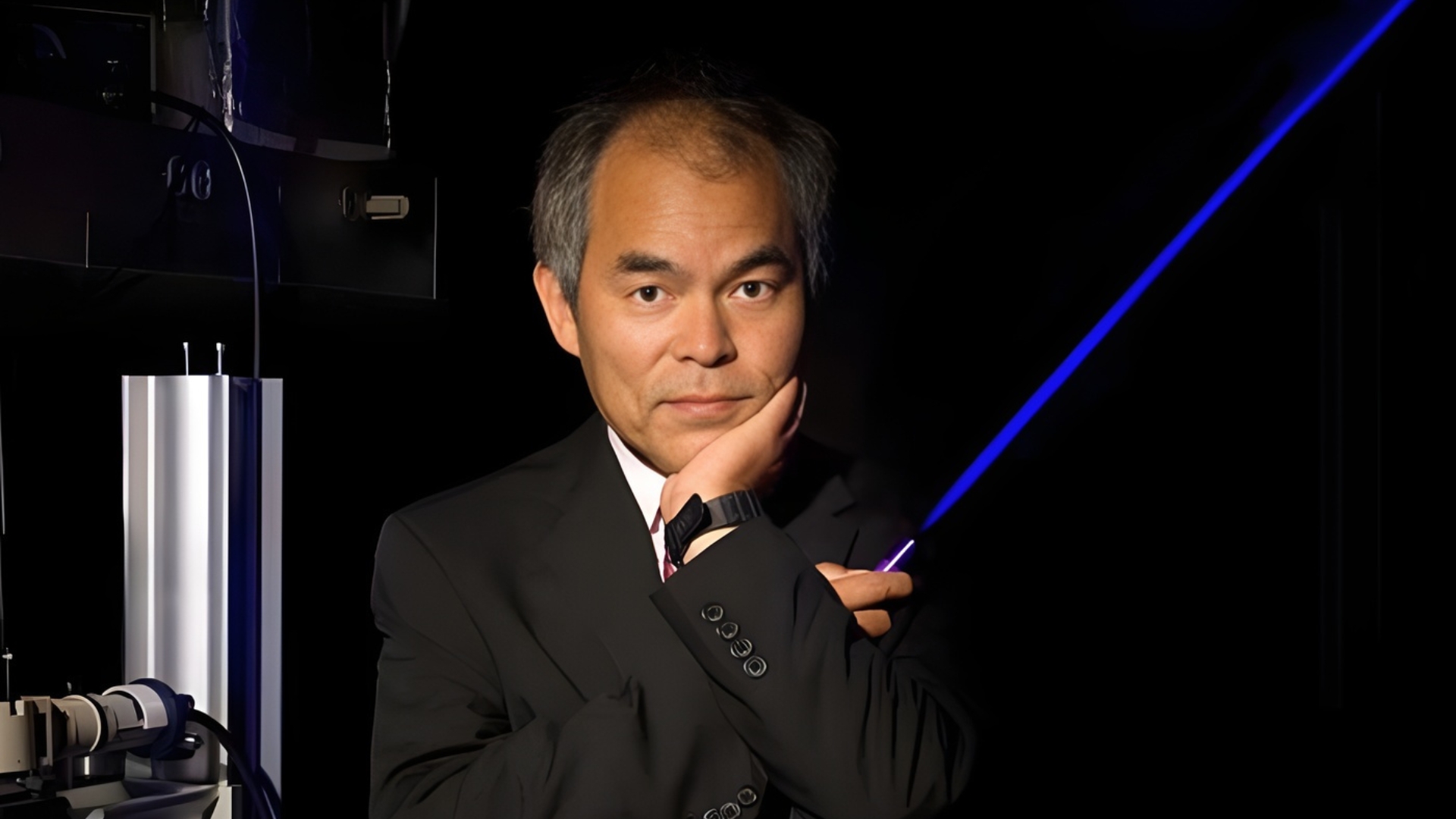
One widely known critical issue lies in the predominant “blue” component present in most LED technologies. This fact was highlighted by Nobel Prize winner Shūji Nakamura, a microelectronics engineer and researcher who received the prestigious award in 2014 for the invention of blue light-emitting diodes that made bright white light sources possible with a considerable impact on energy savings.
It was Nakamura himself who developed LED technology that approaches the solar spectrophotometric curve, acknowledging that only the latter is truly biocompatible.
Medical science is beginning to speak of desynchronization diseases, shedding light on how many symptoms related to stress, cellular degeneration, and hormonal imbalance are largely attributable to incoherent exposure to light radiation, especially artificial light.
Consider how, over the course of a day, most of the world’s population—affected by what I define as the Las Vegas syndrome—voluntarily exposes itself to more artificial light than natural light, since the latter at least eventually turns off.

Paradoxically, incandescent light—whose production was banned in 2011 by the European EUP (Energy Using Products) Directive 2005/32/EC—remains today the most biocompatible light invented by humans. This is due to its significant infrared frequency component, which warmed not only thermally but also emotionally. It has in fact been discovered that infrared radiation is involved, for example, in cellular regeneration processes, and our bodies instinctively recognize it—speaking of well-being. Just ask a Turritopsis Nutricula!
Random Lighting Design: AI, Simulations, and the Illusion of Results Without Design
The second negative impact comes from the random design approach toward configuring the natural–artificial light scheme. This is due to a lack of attention—or interest—in the real function of light compared to other pressures dictated by speed of execution, social trends, or constantly changing economic dynamics, none of which relate to producing a positive impact for society.
You may have noticed that lighting catalog images are often created in daytime environments or in spaces already illuminated by other light sources. This prevents a clear understanding of the fixture’s actual performance, misleading the observer’s eye through an intentionally staged context.
Another dangerous trend emerging in recent years is the use of AI to accelerate the definition of the final scenario, assuming that the design phase is entirely unnecessary.
At the same time, it is increasingly common for clients to request simulations of the illuminated environment even before signing a collaboration contract—or before the design concept has even been defined. The result is a clientele increasingly intoxicated by images taken from the web and increasingly authoritarian in demanding the exact same result—almost never achievable.
A social placebo, a competitive madness that is crushing the very meaning of beauty and well-being.
I agree with my colleague and friend Luc Lafortune, Lighting Designer and creative genius of Cirque du Soleil, when he says: “Imitation is cheap.”
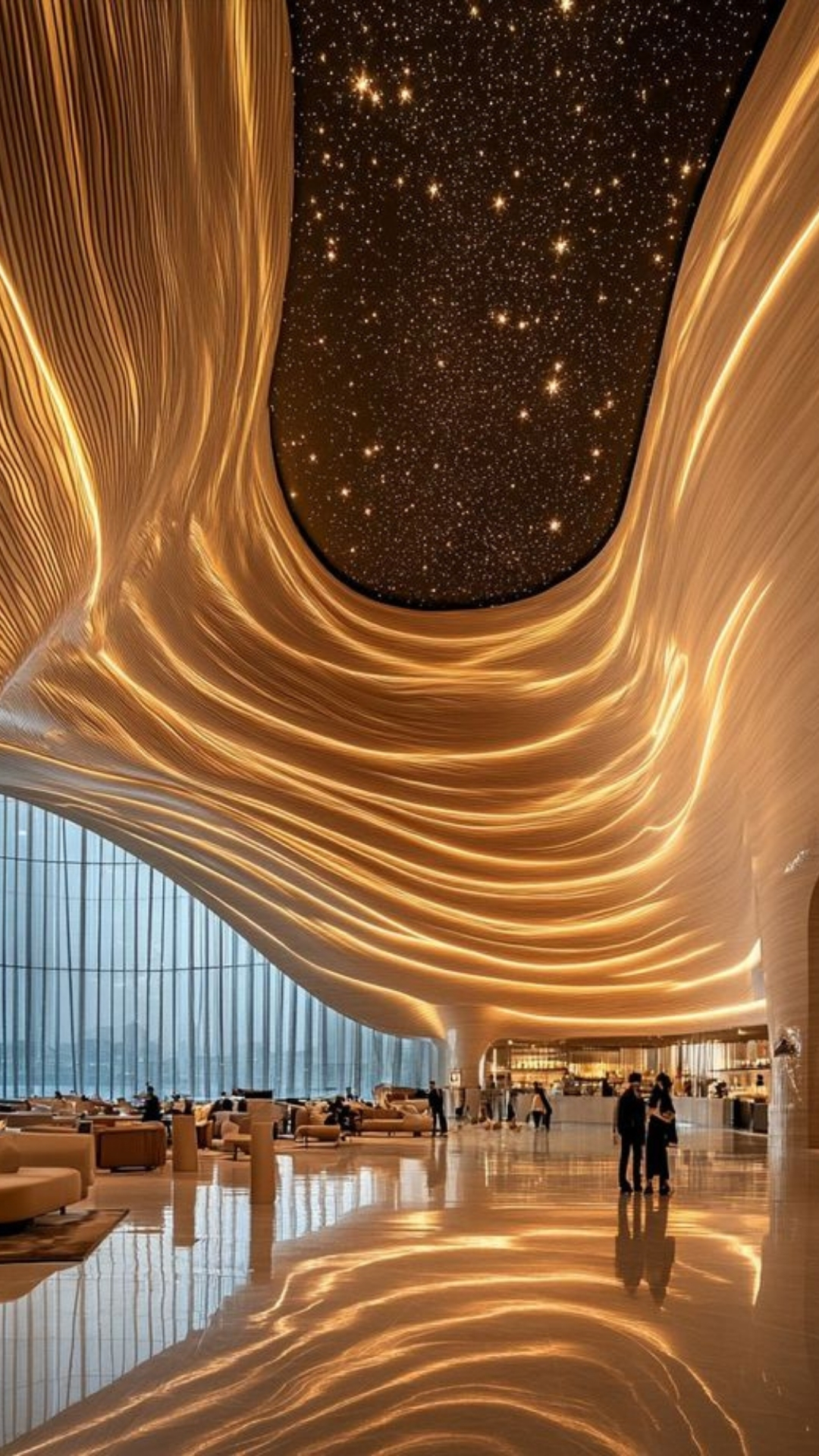
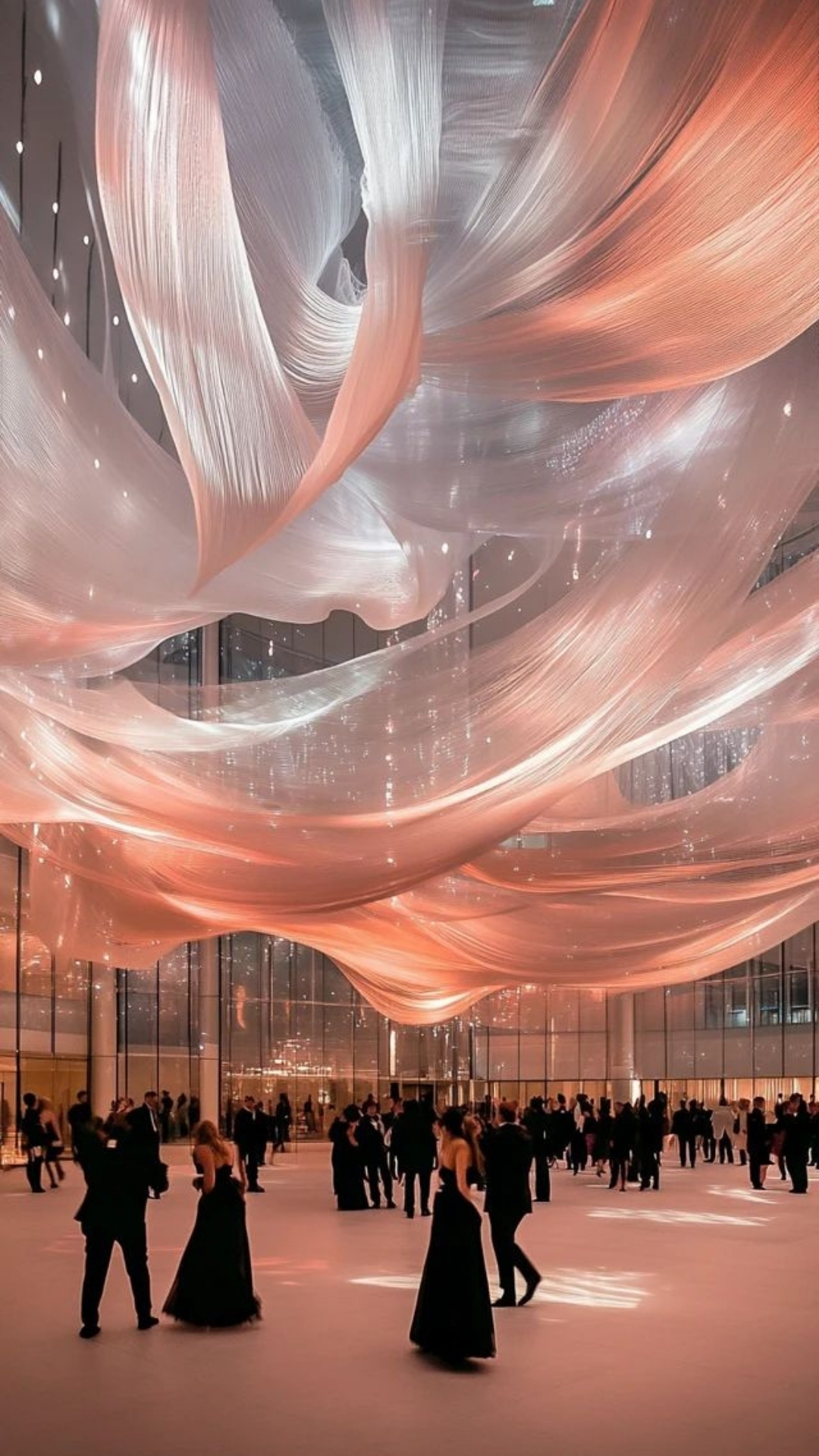
Lighting is not solved by a technology or by a simulation, however perfect they may be. In the theoretical equation I often propose in my lectures, the best chocolate on the market relates to haute cuisine cake the same way the best technology relates to Lighting Design.
As implied by the word “design” itself, the lighting process begins with thoughtful and contextualized planning. It requires analytical ability and vision, method and technical knowledge, and it is not an added value—it is the primary value.
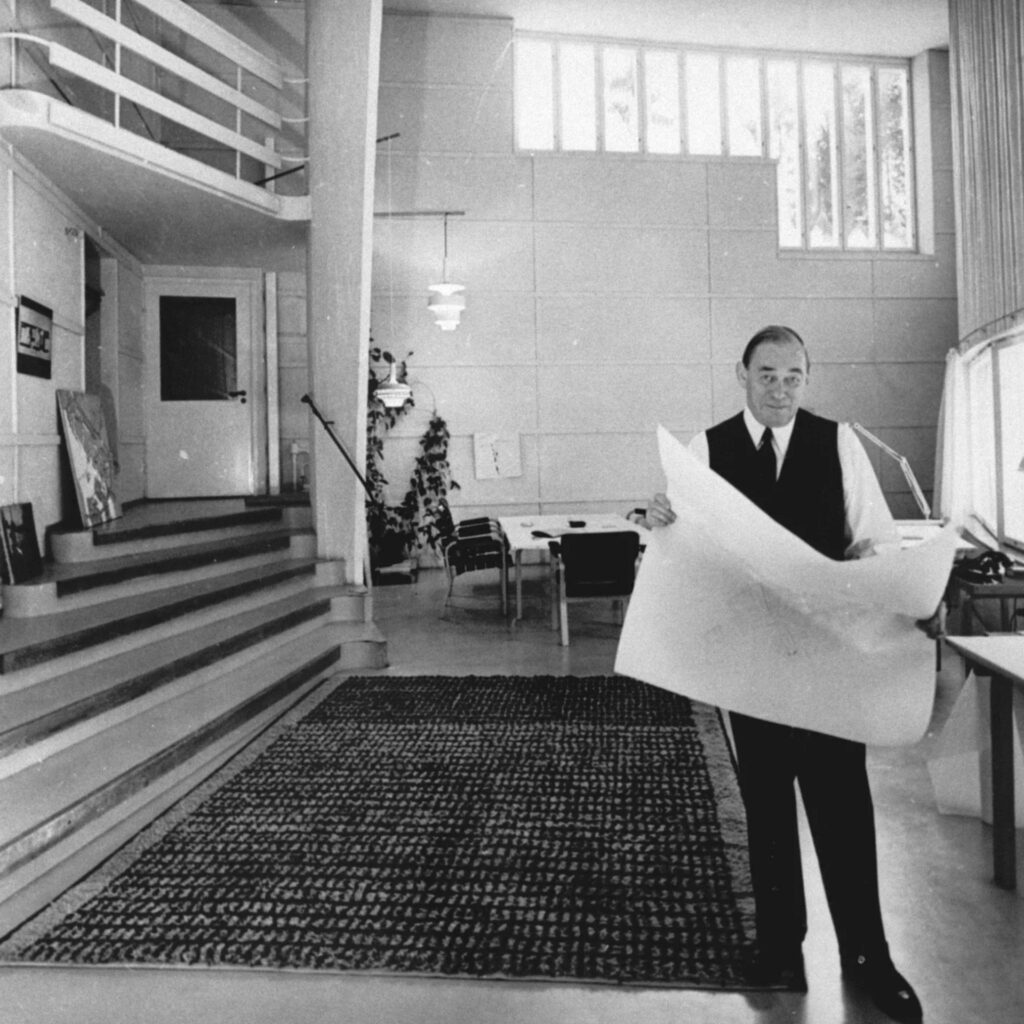
Great masters of architecture remind us of this, such as Alvar Aalto, who conceived his entire approach around the perception of built matter shaped by light. He drew photometric diagrams by hand in his plans, balancing natural and artificial light, often creating custom lighting designs based on light distribution rather than fixture aesthetics—although the latter was admirable as well.
Leonardo da Vinci also reminds us of this in his “Treatise on Painting”, when he speaks of “luminazione” with the mastery of someone who had conquered every secret of visual perception. He could detail the preparation of an optimal lighting environment to generate perfect light within the artwork and even suggest which “internal light” and “external light” should be used—that is, calibrating the light represented in the work and the light required for its best viewing.
This is Lighting Design.
Creativity on the Brink of Extinction: The Theatrical Roots of Lighting Design
Light is a design material of incomparable charisma, both in its essence and its potential.
When one becomes captivated by a passion for it, one willingly accepts following it on a fascinating journey toward infinite scenarios. Light bounces. Light passes through.
Light contaminates itself along its path before reaching our eyes. Light even creates the apparent absence of itself within shadows. Light never exhausts creative perspective.
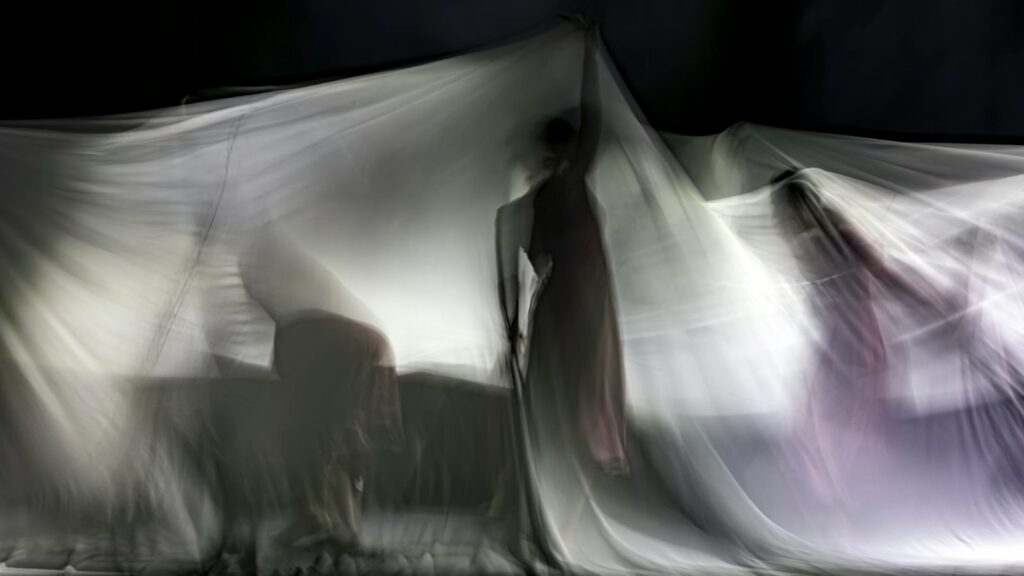
It is no surprise that the art of light was born in theater, a place where emotional catharsis is surgically constructed through sensory experience. It is interesting to recall how influential figures in theatrical creation shaped the art of perception through light.
- Richard Wagner, composer, poet, theater director, and conductor, was the first in 1876 to impose darkness in the theater hall as a sensory reset, preparing the real world (the audience) for the world of dreams (the stage), making light the only bridge between spectator and work.
- Adolphe Appia, the Swiss scenographer considered by many the true father of modern lighting design, conceived light through his “poetics of emptiness,” treating it as a three-dimensional element that mirrors the nature of the space it flows through and that must vary like a musical score in silence.
- In the vision of Edward Gordon Craig—actor, scenographer, director, and British theater theorist—light was not meant simply to illuminate the actor but to create the psychological space of the work, where light itself becomes the scenography.
- Jean Rosenthal, pioneer of theatrical lighting design in America, was the first to introduce color to soften shadows and defined a methodology based on text analysis, movement study, and rigorous application of lighting techniques.

Looking at the contemporary scene, it is clear that these extraordinary attitudes have gradually become rarer. I see a probable cause in the lack of willingness to dedicate time to cultural depth, analytical exploration, and the courage to pursue a higher vision. But not everything is lost: a small spark is still alive in the professional world. Within AILD, for example, we are cultivating it so that it may become the new authoritative normality in service to society.
In Light of the Facts: Lighting Design as a Game Changer
In conclusion, sensory architecture represents the most precise and exciting trajectory for the future, and light is its dominant principle.
Science, technique, and technology are rapidly evolving in exploring these fascinating topics to achieve better interaction with artificial light in particular. Within this scenario, there is growing consensus that configuring light and lighting within human living spaces is a responsibility that should only be entrusted to specialized professionals. These professionals are defined by a complex equation of scientific rigor, creativity, and technique, resulting in the ability to design luminous environments that are biologically safe and enjoyable in harmony and beauty. When Lighting Design embraces this awareness, it becomes an authentic game changer for spatial experience.

AILD – the Italian Association of Lighting Design, which I have the honor of presiding over, began several years ago a process aimed at structuring the professional sector of Lighting Design. The goal is to achieve a shared framework of roles, competencies, and rules, thereby overcoming self-taught practices and the harmful phenomenon of professional improvisation.
What began as a challenge has now become a solid community in constant dialogue, capable of elevating the skills of each member across the many application fields of lighting design.
AILD is in fact the only Italian organization that brings together professionals from every specialization within Lighting Design. Through passion and perseverance, they have helped sculpt over time the identity of this magnificent profession.
Text by:
Patrizia Stella De Masi
Architect, Senior Lighting Designer – PHOTONIKA
President, AILD


